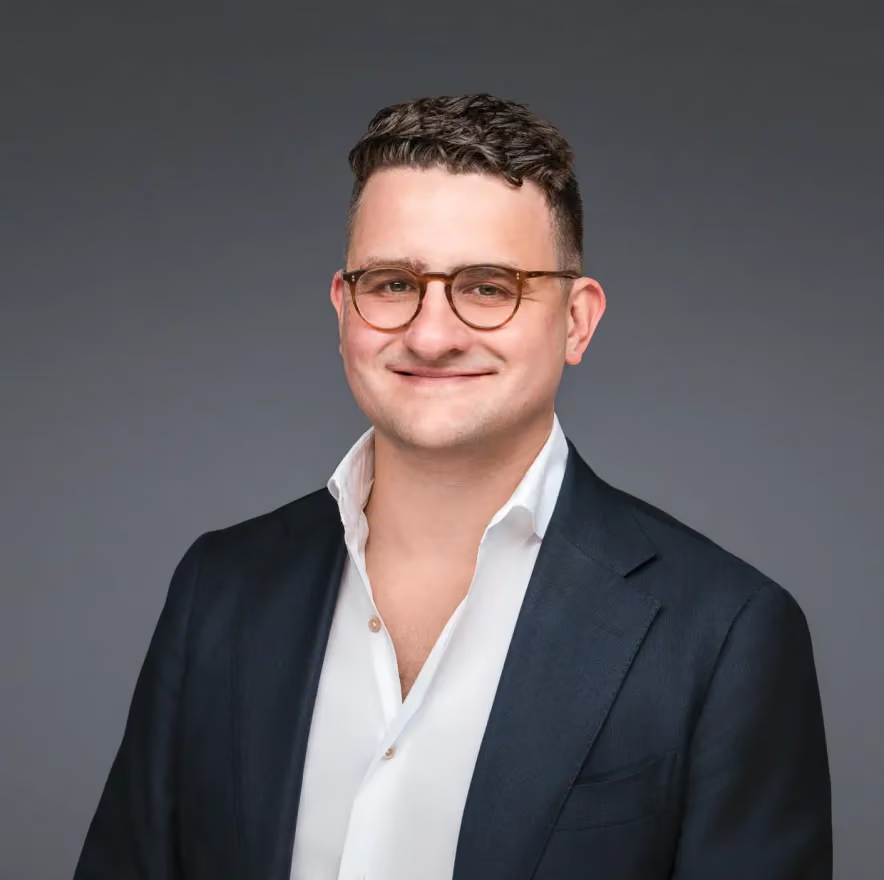
Andy Sams
Chief Executive Officer

One 15-minute call with a real advisor.
No jargon, no pressure, no obligation.
Big 4 backgrounds. Boutique attention. 100% success rate.
of qualified Texas research expenses above half of your average over the three prior periods. It applies to franchise tax reports originally due on or after January 1, 2026.
when you contract with a public or private institution of higher education for part of the research and incur qualified expenses under that contract.
of the year's qualified expenses if you had none in one or more of the three prior periods. The rate is 5.451% with a higher education contract.
of your franchise tax due is the most the credit can offset on a report. Unused credit carries forward for up to 20 consecutive reports.
Texas starts with your qualified research expenses on line 48 of the federal form. You have to file it with the IRS for every year you claim.
Some businesses that owe no franchise tax can claim the credit as a refund. It takes a separate application, due November 15 of the report year.
Texas uses the federal definition of qualified research. If your work qualifies for the federal credit and you filed Form 6765, the part of it done in Texas is where the Texas credit starts.
What counts toward the credit
Only the share of your federal qualified research expenses attributable to research conducted in Texas counts. Costs for work done in other states do not.
Wages, supplies, and contract research come from your federal qualified research expenses. Supplies count whether or not the purchase was subject to Texas sales tax.
A combined group claims the credit on its combined report and is treated as one taxable entity. An upper tier entity can claim a lower tier entity's expenses in proportion to its ownership.
Texas changed its credit starting Jan 1, 2026. These are the rules that matter most when you claim it against your franchise tax.
Texas replaced its old Subchapter M credit with a new Subchapter T credit for franchise tax reports originally due on or after January 1, 2026. It also repealed the sales tax exemption for research. Unused Subchapter M credits can still be carried forward and claimed.
The old credit let you prove your research costs independently. The new one requires you to file Form 6765 with the IRS for each year you claim. If an amended federal return or an IRS audit changes your expenses, you have to file an amended Texas report.
The credit can offset at most 50% of the franchise tax due on a report, before other credits. Anything left over carries forward for up to 20 consecutive reports. It cannot be assigned to another company unless substantially all of your assets transfer with it.
You may claim a refund if you owe no franchise tax because you are a qualified new veteran-owned business, your computed tax is under $1,000, or your revenue is at or below the no tax due threshold. E-Z computation filers are not eligible. Form 05-183 is due by November 15 of the report year, and late applications are not accepted.
If your business, or any member of your combined group, received the Texas sales tax exemption for research property during the period a report covers, you cannot claim the Subchapter T credit on that report. Businesses that used the exemption should look at this before they file.
Businesses that owe tax file the long form franchise tax report with the Credits Summary Schedule (Form 05-181) and the Subchapter T schedule (Form 05-182). Combined groups also report each entity's Texas expenses on the affiliate schedule. Statistical sampling is allowed when the IRS permits it.
The Texas credit starts with your federal Form 6765. Texas takes the qualified research expenses on line 48, keeps the share attributable to research done in Texas, and applies its own rate.
That makes it a natural add-on to a federal claim. We work alongside your CPA so the federal return and the Texas franchise tax report tell the same story.
We meet with your key staff to identify every qualifying project and disqualify any that don’t meet IRS criteria.
Our team reviews your payroll, general ledger, and tax returns to calculate the full credit.
A dedicated team with an impeccable IRS defense record reviews everything through our QA process.
You receive a complete, audit ready report that your CPA files alongside your taxes or amends for prior years.
Start with a no-obligation call to determine what your business could claim.
Chief Executive Officer
As the Chief Executive Officer at RK Partners, Andy brings two decades of experience across business structuring, private wealth, and operational leadership to the business. An award-winning Chartered Tax Adviser, he spent a decade at Deloitte, rising to leadership positions within the firm, before joining the creation of a global multi-family office, where he spent seven years scaling the business as senior partner of the firm responsible for its growth, strategic direction and operational excellence. Andy has not only advised entrepreneurs on everything from start-ups to global enterprises, but has personally experienced MBOs, capital raises, and business exits. He understands how to scale a business and help the people inside it keep and compound what they build.
At RK Partners, Andy is focused on deepening the firm's capabilities, scaling its operations, and ensuring clients continue to receive the same rigorous, high-touch service RK is known for as the business grows. Andy is drawn to businesses that combine real technical expertise with genuine client impact and sees R&D tax credits as an area where that combination matters more than ever.
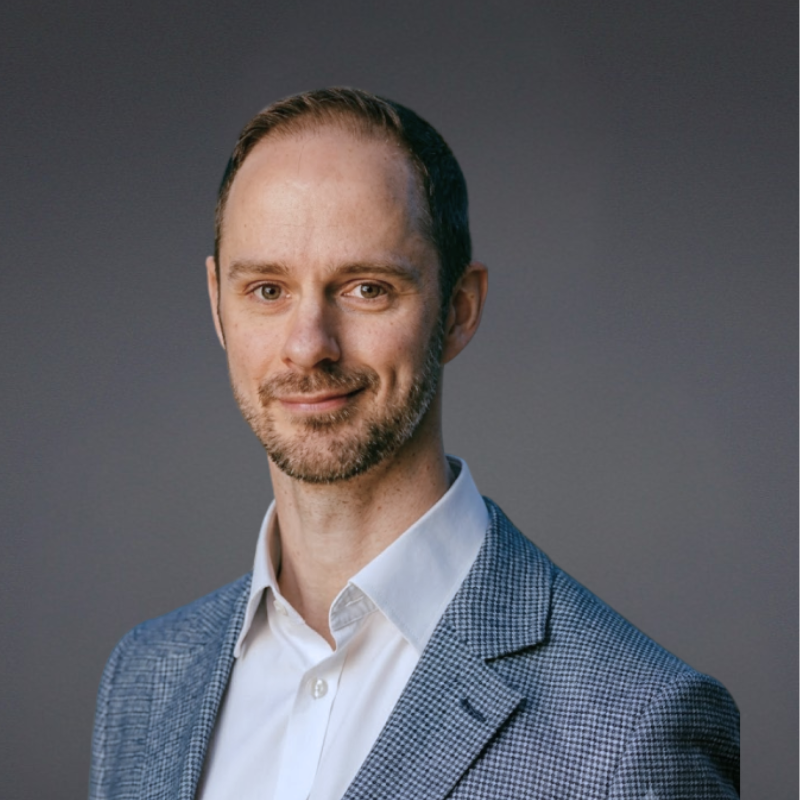
Chief Operating Officer, CPA
April is responsible for overseeing the entire operations of the business, as well as the R&D Tax Credit practice. A licensed CPA with a Master’s in Accounting, she brings over 12 years of specialized experience in R&D tax incentives, having worked across a broad range of industries and supported companies from early-stage startups to global Fortune 500s.
Before joining RK Partners, April held a Manager role at Deloitte, where she was instrumental in delivering over $700 million in R&D tax credits to her clients. Since joining RK, she has played a foundational role in building the firm’s consulting practice from the ground up - designing its technical approach, developing operational frameworks, and scaling a high-performing team of consultants.
Under her leadership, RK Partners has established a reputation for technical excellence, rigorous compliance, and meaningful client impact. April’s ability to bridge deep subject matter expertise with practical business acumen has made her a trusted advisor to clients and a cornerstone of the firm’s growth and delivery success.
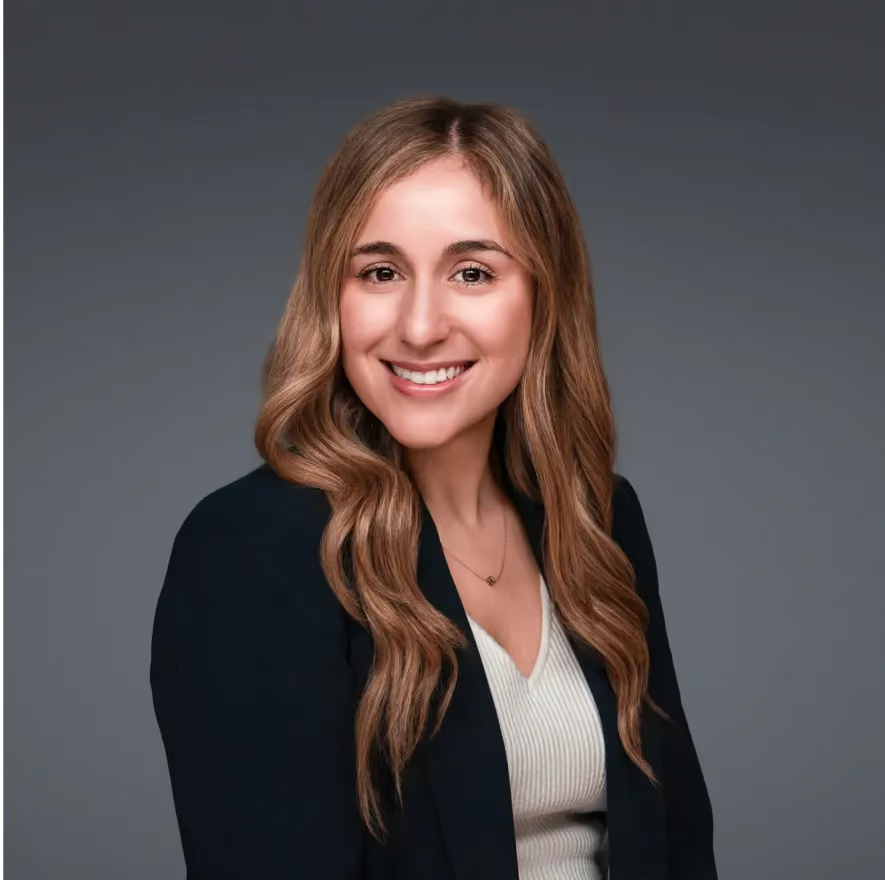
Chief Commercial Officer
With over 7 years of international experience in Tax Credits and Incentives, Sam leads the Commercial Team at RK Partners, where he combines sharp commercial acumen with strategic leadership. Throughout his career, he has helped a wide range of businesses unlock the full value of government incentives. While his client base spans multiple industries, he has developed particular expertise in Agriculture, Software, and Manufacturing.
At RK, Sam is responsible for driving the firm’s commercial strategy and leading all client engagement initiatives, ensuring clients and partners consistently receive exceptional value. Recognized for his deep industry knowledge, ability to build and scale high-performing teams, and his commitment to long-term client relationships, Sam is a trusted leader in an increasingly dynamic and competitive landscape.
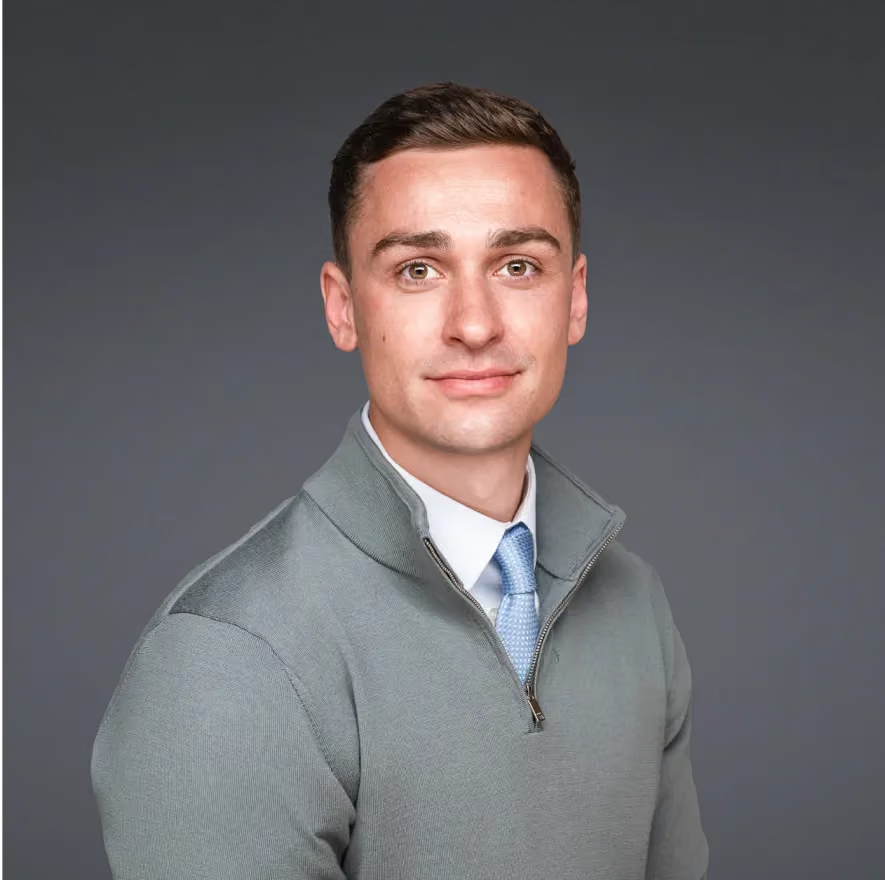
Chief Compliance Officer
Scott spent 19 years at Deloitte Tax in both the Research and Development Tax Credit Group and the Tax Controversy Group and has over 25 years’ experience with the Research Tax Credit. He represented Fortune 100 and 500 companies as well as much smaller clients during their IRS audits. He successfully resolved 55 cases at the Examination level and has not had even one case that went to IRS Appeals. The resolutions included amounts from a few hundred thousand to over 200 million.
At RK Partners, Scott leads the firm’s compliance and audit defense function. He directly oversees the training and development of our consulting team, ensuring they maintain a deep and current understanding of federal tax law, recent case law, and IRS examination trends. His rigorous approach to documentation, substantiation, and risk management safeguards our clients and reinforces the technical credibility of every claim we prepare.
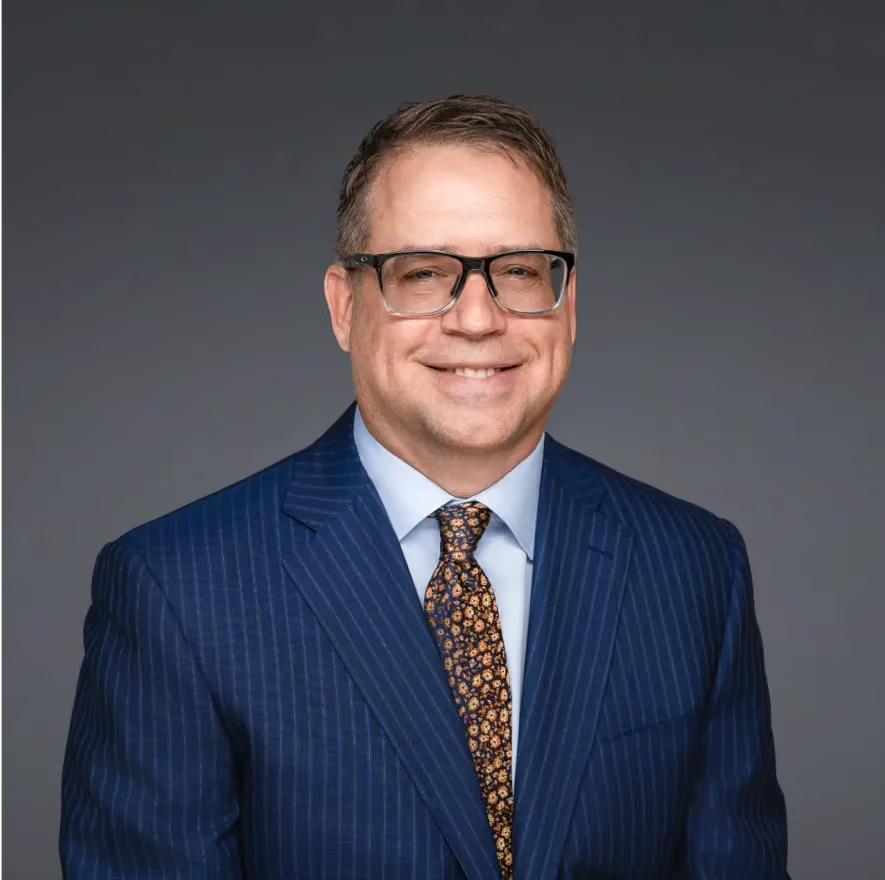
Chief Financial Officer
Randall Roisman's career in healthcare has spanned more than 20 years, including multiple C-level and VP/Executive-level finance and strategy roles in various large, complex, and well-respected health systems and healthcare providers in Southern California, in both for-profit and non-profit environments.
Throughout his career as a financial executive, Randall has consistently integrated his strategic vision and operational knowledge into his roles to grow organizations. He created and developed a transformative, industry-first joint venture partnership between a major integrated delivery health system and a leading national dental support organization (DSO) to build co-located medical and dental sites in which primary care and dental providers address the connection between oral and systemic health, provide patients with access to comprehensive healthcare focused on the health of the whole person, and reduce the total costs of care.
Randall also regularly assesses and implements operational improvements and efficiencies, revenue enhancement and business development opportunities, and cost containment and expense mitigation strategies.
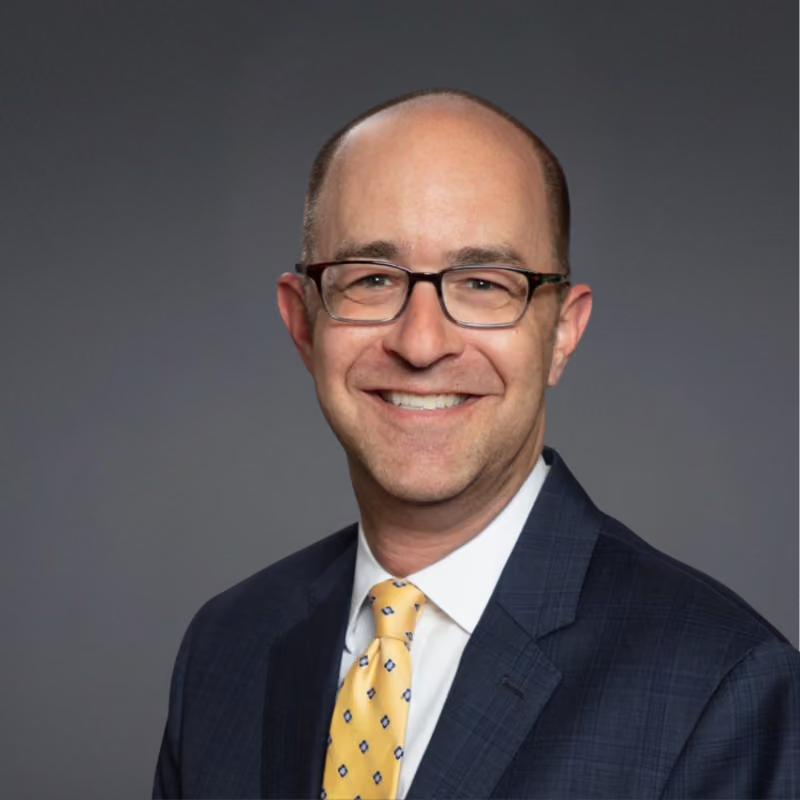
Founder & Chairman
Mark is the Founder of RK Partners; he is a serial entrepreneur with a focus on ventures at the intersection of tax incentives, technology, and consulting. With a strong background in commercial strategy and a track record of launching and scaling ventures, he has spent the past decade helping companies unlock hidden value through government incentives, while scaling high-performance teams across a range of industries.
Mark has led the firm from the ground up, growing RK into one of the most rapidly growing Tax Credits & Incentives consultancies in the US. Serving clients from high-growth startups through to large enterprises, Mark has played a hands-on role in building the firm’s commercial engine, operational structure, and leadership team – laying the foundational infrastructure for long-term success.
In his current role as Chairman, Mark is focused on shaping the strategy, vision and culture for the firm - ensuring RK continues to succeed at the highest level.